 India and Space
From Two
Wheels to
the Moon...
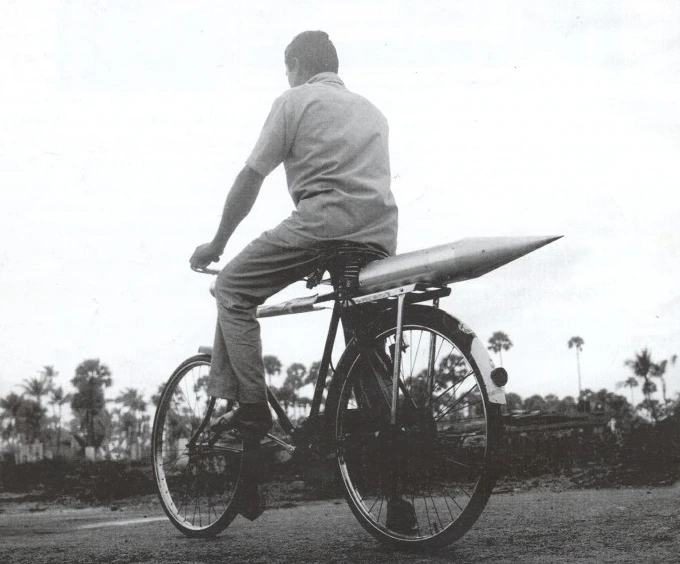
In 1963, on a bicycle in Thumba, a rocket nose cone makes its way to the launch site and India’s space story begins.
Chapter 01 / 1962–1972
The Thumba years.
Locate Thumba on the map
A launch site by the sea
On Kerala’s coast, close to Earth’s magnetic equator, Thumba offered a place to study the upper atmosphere. Scientists began with instruments that could travel aboard sounding rockets with St. Mary Magdalene Church serving as the workspace and workshop of some of India's finest scientists and visionaries
Explore 4 milestones in this chapter
Chapter 02 / 1975 onwards
Aryabhata, India’s first satellite.
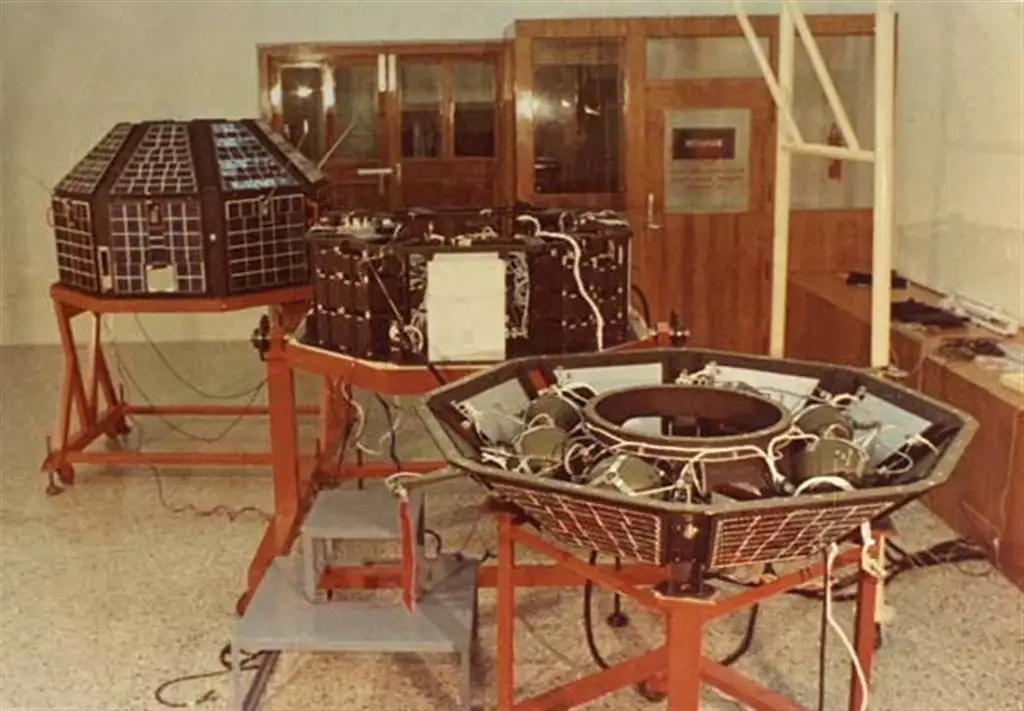
Indian engineers designed and built Aryabhata, India’s first satellite. A Soviet Kosmos-3M rocket carried it into orbit from Kapustin Yar. The spacecraft carried experiments to study the Sun, X-ray sources in space and Earth’s upper atmosphere.
Explore the Aryabhata mission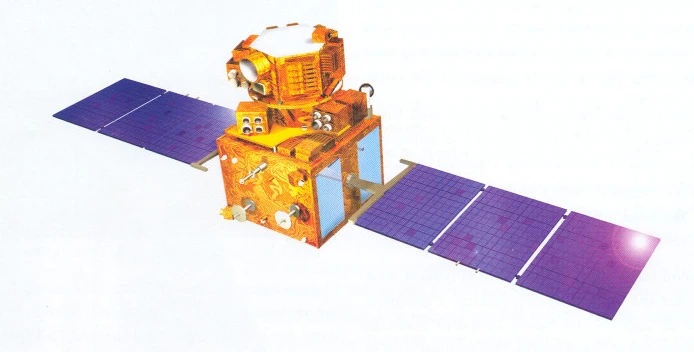
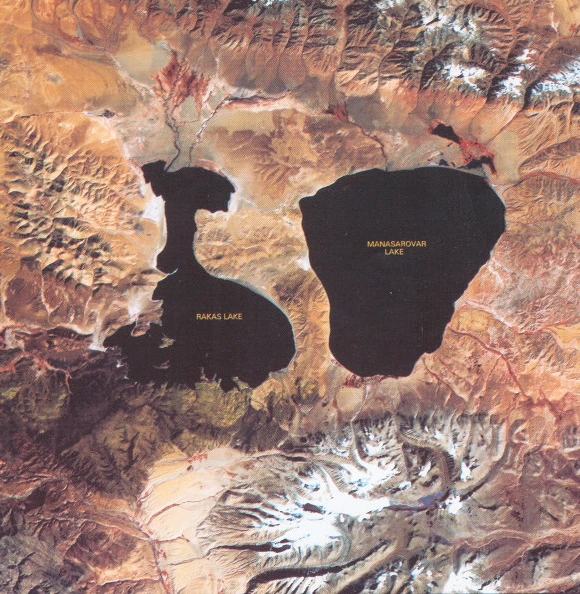
2003 · Resourcesat-1 looks back at Earth
Look at the spacecraft, then switch to its view of two Himalayan lakes. Instruments in orbit turn landscapes into repeatable observations of land and water.
Earlier experiments asked a different question: could a signal from space bring a lesson into a village classroom?
Read about satellite televisionChapter 03 / 1980 onwards
A way into the orbit.
Three generations of launchers
SLV-3 stands 22 metres tall. One flight to explore is Rohini RS-1.
Explore the flightPSLV stands 44.4 metres tall. One flight to explore is IRS-P2.
Explore the flightLVM3 stands 43.5 metres tall. One flight to explore is Chandrayaan-3.
Explore the flightExplore 3 milestones in this chapter
Chapter 04 / 2008 onwards
Beyond Earth.
India’s three Chandrayaan missions

Chandrayaan-1 · 2008
India’s first lunar mission studied the Moon from orbit. One of its instruments detected signs of water in sunlight reflected from the lunar surface.
Chandrayaan-2 · 2019
Vikram crashed during descent on 7 September, before the Pragyan rover could deploy. The orbiter continued mapping and studying the Moon.
Chandrayaan-3 · 2023
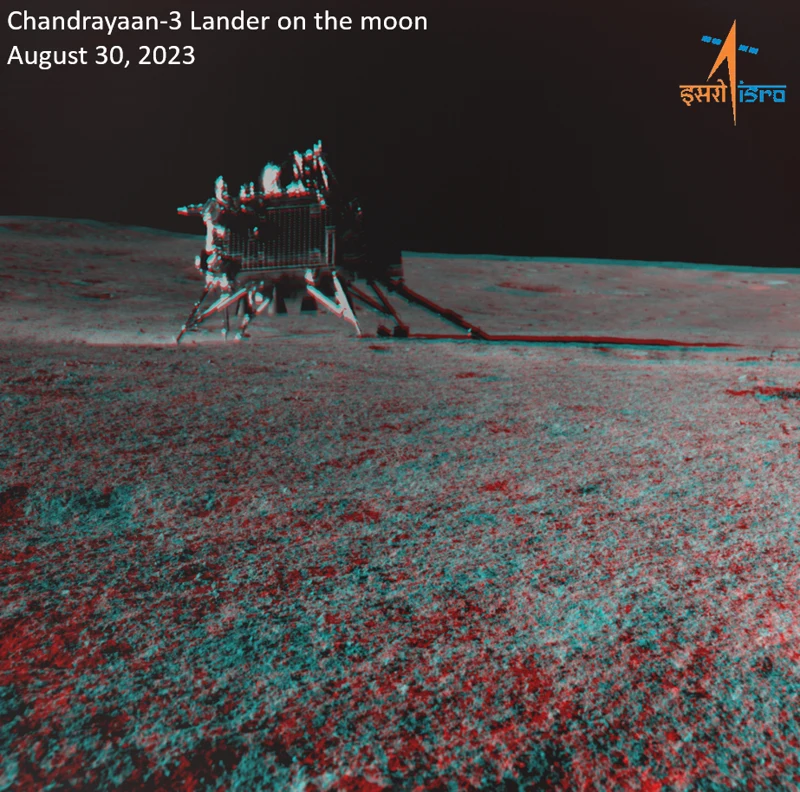
On 23 August, a new Vikram lander made India’s first soft landing on the Moon. Pragyan rolled down its ramp to examine the soil in the southern high latitudes.
Chandrayaan-3’s flight path
From Earth orbit to the Moon
LVM3 placed Chandrayaan-3 in Earth orbit. Successive engine firings raised the far side of that orbit. On 1 August, a final burn sent the spacecraft towards the Moon.
Mission recordBraking into lunar orbit
On 5 August, a braking burn captured the spacecraft into a 164 × 18,074 km lunar orbit. Further burns lowered its high point. By 16 August, the orbit was nearly circular at 153 × 163 km.
Mission recordVikram descends
Vikram separated from the propulsion module on 17 August. Two braking manoeuvres lowered its orbit to 25 × 134 km. On 23 August, the lander used powered descent to touch down in the Moon’s southern high latitudes.
Mission recordExplore 9 milestones in this chapter
Chapter 05 / 2020 onwards
Since 2020.
Opening space to private companies


Skyroot’s Vikram-1 reaches orbit
In June 2020, India opened the full range of space activities to greater private participation. Six years later, a rocket built by Skyroot Aerospace reached orbit from Sriharikota. The 2020 reforms
Vikram-1 lifted off from Sriharikota on Mission Aagaman and reached low Earth orbit on its maiden flight. Skyroot became the first Indian private company to achieve an orbital launch from Indian soil. Its earlier Vikram-S flight in 2022 was a suborbital demonstration.
Second flight · status checked 21 November 2026. At Space Tech Expo Europe in Bremen, Skyroot announced its partners for the planned second Vikram-1 flight. Skyroot’s SCOPE and HEX20’s NILA III are due to share an Exolaunch deployer. NILA III will carry an OhmSpace thruster for a demonstration in orbit. Skyroot’s November announcement
Read the mission recordGaganyaan
How do you bring a crew home safely? India’s human spaceflight programme has been testing two parts of that journey: escaping a failing rocket and slowing a returning capsule for splashdown.
NavIC
India’s regional satellite navigation system gives users a way to determine their position and the time. A new generation of satellites carries Indian-built atomic clocks.